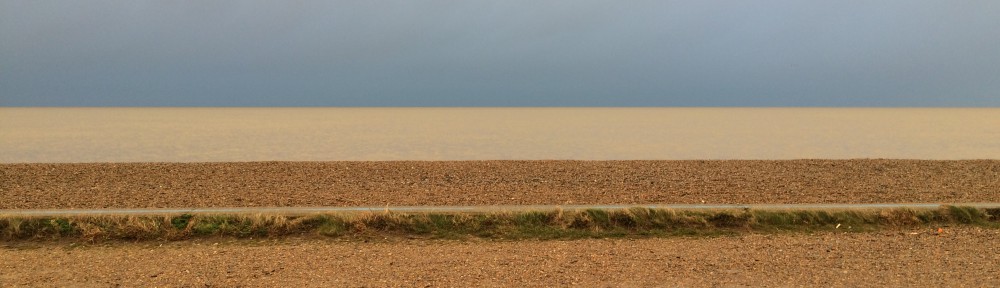
What a wonderfully informative talk Alison gave us – clearly this area is a gem on many levels. To the landward side the estuary owes so much to the river walls built from 1168 and renewed over the centuries, the last major refurbishment followed the significant damage following the storm surge of 1953. What Alison made clear was that if we do not refurbish the defensive walls along the length of the Alde and Ore Estuary we will end up with vast areas of mudflats should a tidal surge inundate the fragile earth banks. It is planned to upgrade the existing defences, built of clay and grass covered, building higher and wider as necessary to increase resilience. It is recognised that to build defences ever higher is both unaffordable and unsustainable.
To provided defences that can survive intact whilst allowing the water to overtop is a sustainable solution for both the uninhabited and inhabited parts of the estuary. It is of course of paramount importance that the flood waters quickly drain back into the estuary, through the sluices, as the water levels recede. The plan has to include all walls as the estuary works as a whole so that flooding in one flood cell can affect another.
Facts not fake news…We would upset the fragile equilibrium that the bird and animal life enjoy. We would lose sailing on the river in the way it is now. We would lose many miles of enjoyable river walks, and other leisure activities. There would be a resulting reduction in tourism, reducing footfall to businesses. There are some 300 houses/businesses dependent upon the walls to keep them safe. The local economy is worth some £100 million a year.
Most of all we would lose vast acreages of farm land used for vegetable production – with the loss of the freshwater aquifers used to irrigate the sandy uplands. These aquifers are protected from saline contamination by the estuary defences. The damage to agriculture and the many jobs it supports cannot be overstated. This touched me as the reason my father decided to moved here in the 50’s was to improve the self-sufficiency in food, at a time when food was still rationed.
Alison’s talk ended with the Alde and Ore Estuary Trust’s pie chart showing how funds need to be raised to do the work. The local community’s share to raise is £5 million. Other sources are the Government, landowners and charities. The wall is in a perilous state as at any time there could be another high tide with wind conditions that lead to an overspill of the river and we could lose yet more of our surroundings that we have grown to love. It is a stewardship issue. We must not be the generation that falls short in its obligation. (Summary: Amanda Churchill)
 W I S E Aldeburgh